
September 2010
M T W T F S S
« Aug    
 12345
6789101112
13141516171819
20212223242526
27282930  

Food Waste Tracking Tips


Why Track Food Waste


What is the most valuable strategy in food waste management?   Reducing, preventing and minimizing food waste at the source. 


If the food is never prepared or purchased, there are significant financial and environmental savings (avoided raw material costs, avoided labor costs, and avoided disposal costs).


Source reduction of food waste is inextricably linked to food waste tracking. Without tracking, it is difficutl to diagnose problem areas or measure improvement.  With tracking, it is easy to create feedback loops that drive behavior change among kitchen teams.  Bottom-line:  Food waste tracking and source reduction are two sides of the same coin.


Two Types of Food Waste


Pre-Consumer v. Post-Consumer Food Waste


There are two types of food waste.  Pre-Consumer food waste (aka kitchen waste) is food that kitchen staff throws away due to overproduction, expiration, spoilage, trimming, or handling issues.  Post-Consumer food waste (aka plate waste) is food that customers leave on their plates after service.  Foodservice operators have more ability to control pre-consumer food waste because they control what happens on the kitchen while the guest decides what to eat.


How to Track Food Pre-Consumer Waste


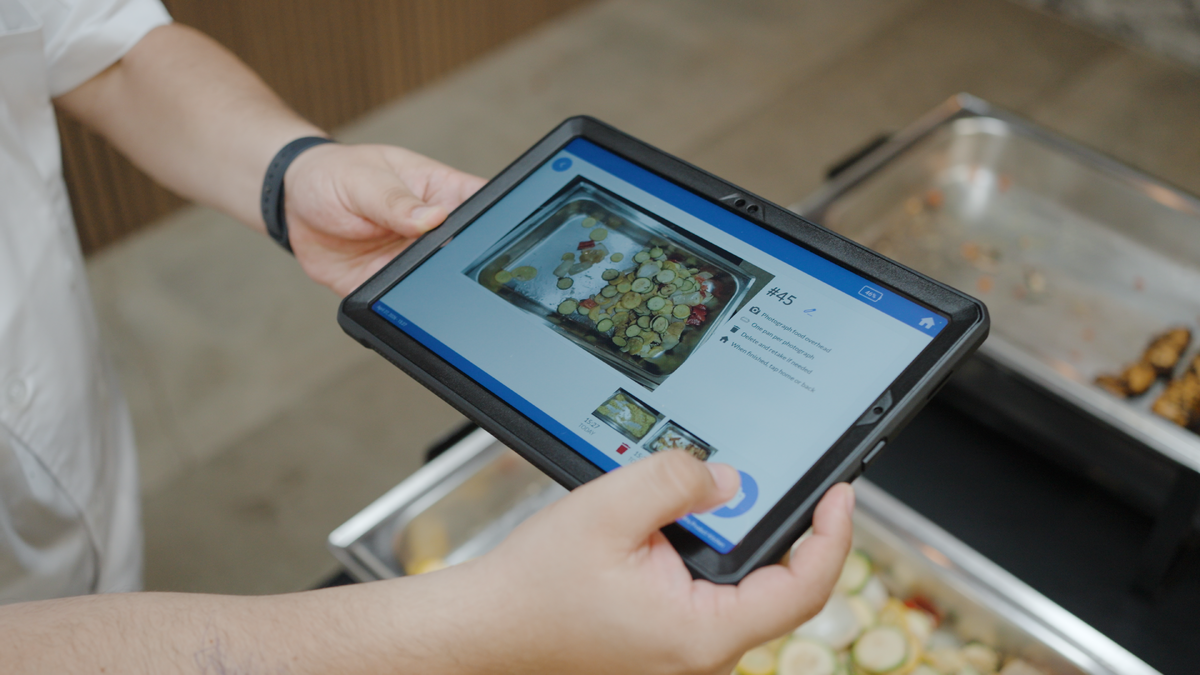
Pre-Consumer Food Waste should be tracked every day.  Every item thrown away by foodservice workers should be recorded on either a paper logbook or with an automated food waste tracking system.


Tips:


  1. Track pre-consumer food waste at the time of discard.  Record waste on the logbook immediately prior to placing it in the trash, compost or garbage disposer.   
  2. If donating food to a food bank, record all food donations on the waste logbook immediately prior to donation (or placing in the donation holding area).
  3. Record the type of food and the reason why it is being discarded on the logbook.  These are the two most important pieces of information that will reveal opportunities for change.
  4. Record how much is being wasted. 
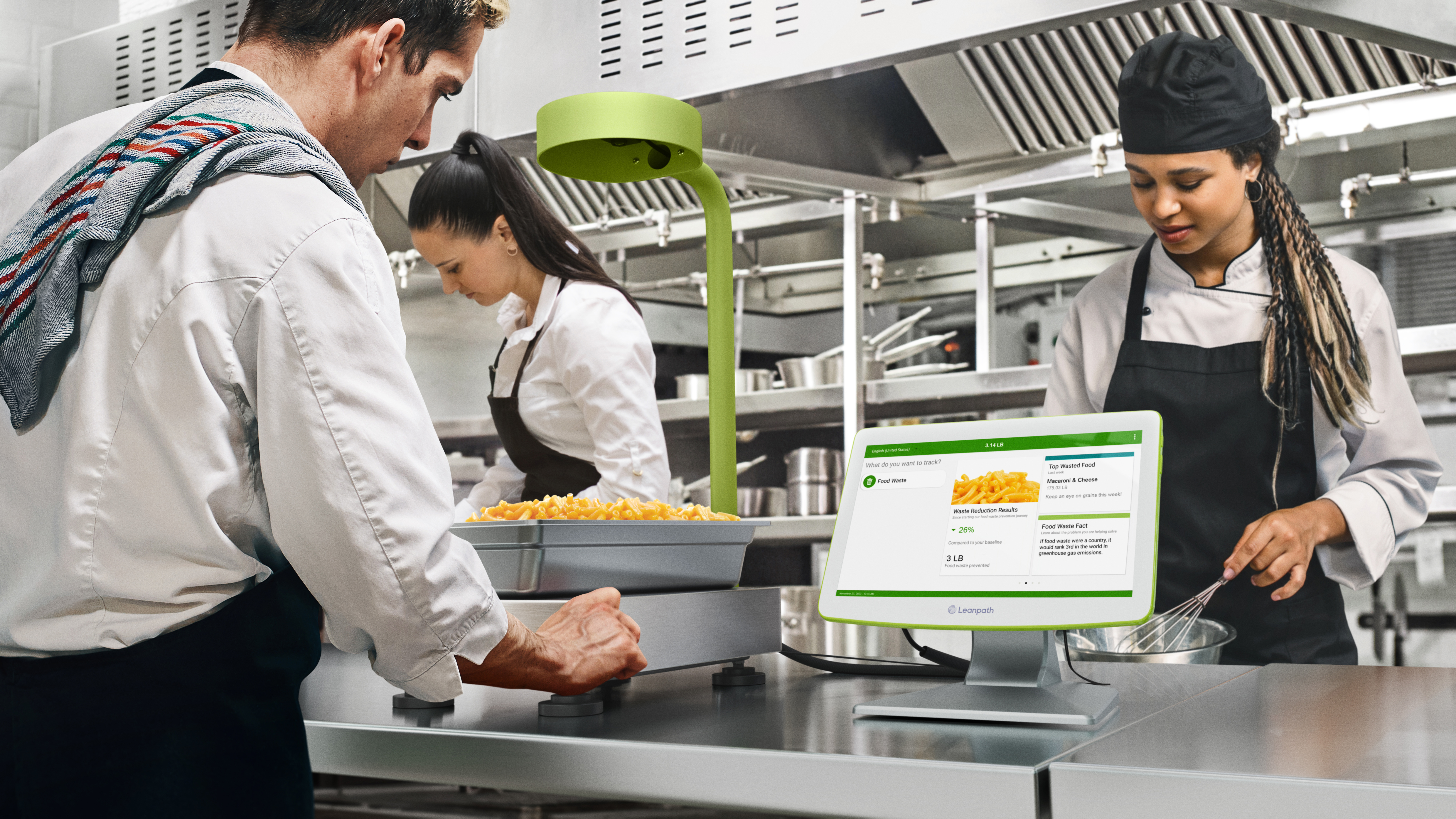
    1.  If you have a scale, the best option is to place the food in an empty bus tub and weigh the waste.  Record its weight in the logbook (including the weight of the bus tub).  Later, a manager can subtract the known tare weight of the bus tub.
    2. If you do not have a scale, record the number of portions leftover or the volume (1/2 a pot, 2 gallons, etc.)
  5. Chefs and Managers should review yesterday’s waste logbook at the beginning of the following day’s shift. 
  6. The top 5 waste items should be discussed with the kitchen team at a pre-shift meeting.  Ask the team for ideas to reduce those items.
  7. Review progress on the Top 5 items every week until the amounts drop.
  8. If you have time, keep an Excel spreadsheet with your daily waste totals (less tare weights) so you can see progress.  Alternately, use specialized food waste tracking systems which automate this record-keeping and reporting.

 How to Track Food Post-Consumer Waste


Post-Consumer Food Waste should be tracked periodically, usually once per month.   


  1. Use a logbook or automated tracking system just like with pre-consumer food waste.
  2. Because post-consumer food waste will include many different foods, it will not be possible to track specific foods or loss reasons.  Instead, track the total weight of the trash (or another standardized metric such as number of trash cans or number of trash bags). 
  3. Keep a record of total weight or count of post-consumer food waste in an Excel sheet or automated tracking system.
  4. When measuring post-consumer waste, always do so on your busy day and track subsequent measurements on the same day of the week.  For example, always do your post-consumer study on Saturday if that is your busiest day.  With this approach, you will have comparable data.
  5. Make sure to look at the food in the garbage and note any trends.  There may be items that customers do not like which should be removed from the menu.  In other cases, you may find portions need to be adjusted to avoid waste.

Source: LeanPath, Inc.