



This year’s ReFED Food Waste Solutions Summit was full of positive energy. Perhaps because this year is the 10-year anniversary of ReFED and its groundbreaking roadmap to reduce food waste (which we wrote about back in April here). Or because of the progress we’ve made over the last decade. Or the global economy and geopolitical environment making food waste ever more important. Or all of the above.
Read More >>

You know the scene: food goes off-site for an event. Maybe you have a food waste tracker in your kitchen, maybe not. Regardless, there’s no way to realistically get the overproduced food back to the kitchen to be tracked. So it gets thrown away off-site: no tracking, no reporting, no accountability.
Read More >>
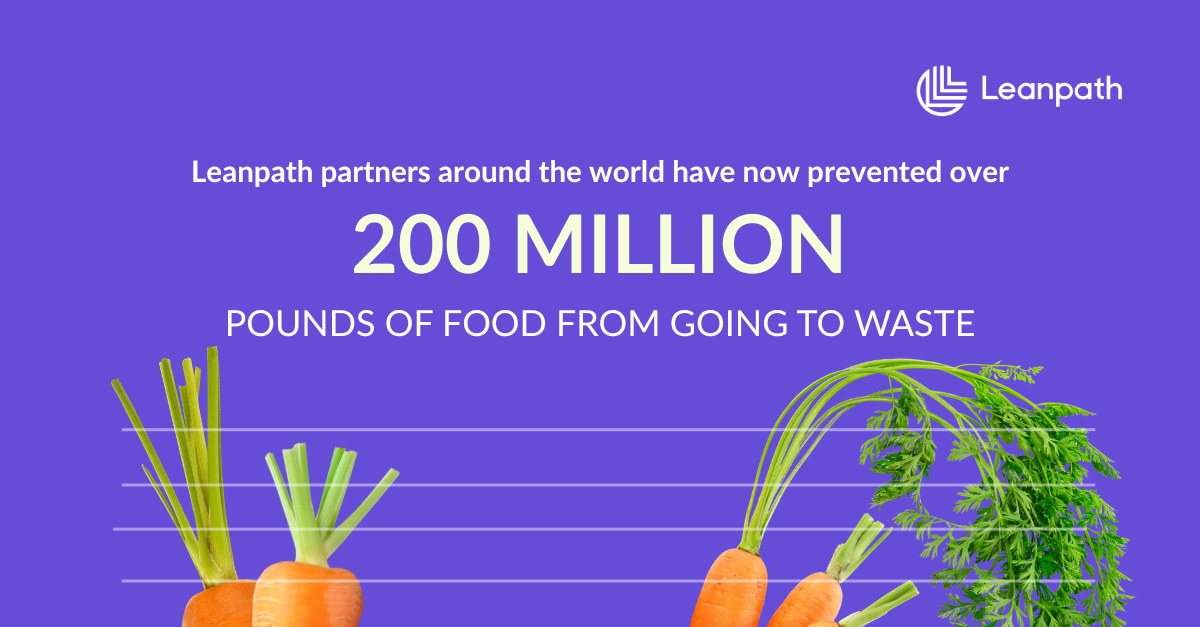
Leanpath recently crossed the threshold of 200 million pounds (91 million kg) of food waste prevented since our founding in 2004. What does 200 million pounds of food waste actually look like?
Read More >>
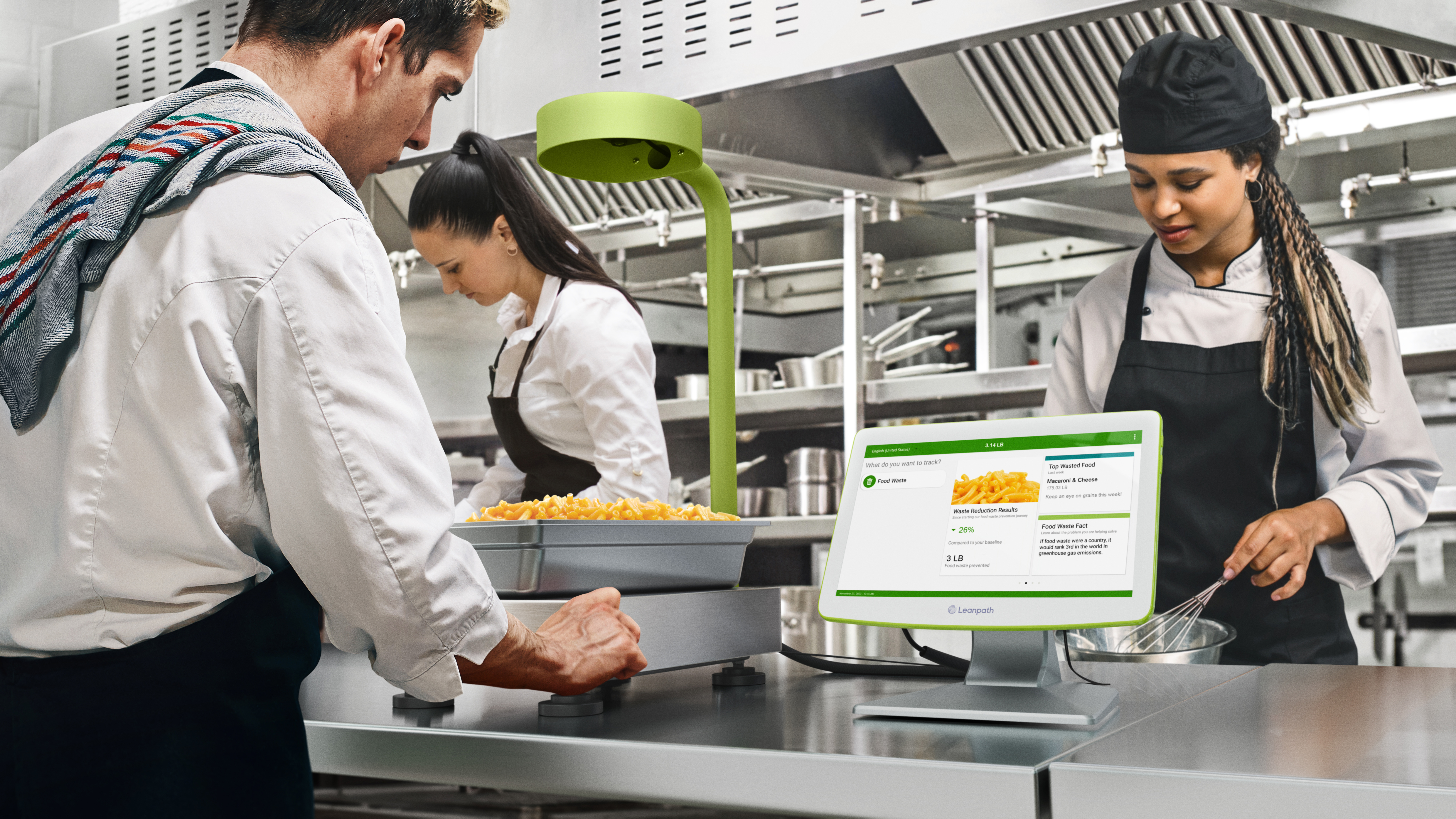
At Leanpath, we are thrilled to announce the launch of our newest feature: Consumption Tracking and Reporting. For years, the industry has relied on total food waste weight as the primary metric for success. However, weight alone doesn’t always tell the whole story. To truly master your kitchen’s efficiency and solve the overproduction puzzle, you must understand how much food you made in the first place.
Read More >>
A few weeks ago, we celebrated the 10-year anniversary of a major milestone in the movement to reduce food waste in the U.S. The first-ever Roadmap to Reduce U.S. Food Waste by 20 Percent (aka “the Roadmap”) was published in 2016 by ReFED, complete with an economic analysis and breadth of solutions across the hierarchy of prevention, recovery, and recycling.
Read More >>