


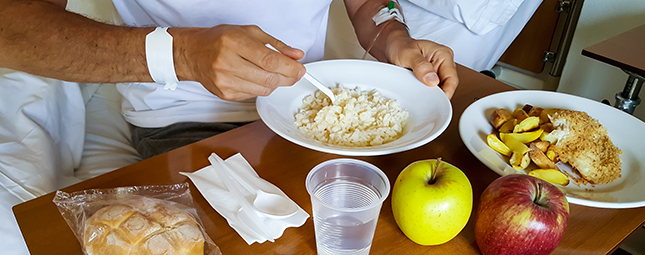
CBORD, an integrated technology provider, hosted a webinar focusing on the many challenges that COVID-19 poses for healthcare foodservice professionals. Panelists from Indiana University Health and Duke Raleigh Hospital shared stories and strategies they've implemented to keep their patients and teams safe and nourished amid this crisis. We've included our key takeaways from this valuable call and a link to the full webinar for you.
Read More >>
As the situation around COVID-19 continues to evolve, many foodservice operations around the globe are experiencing impacts. With a focus on health and safety, operations are temporarily closing, adjusting hours to limited service, or changing service styles to remove self-service or buffets - anything to mitigate the chance of spreading the virus. Foodservice teams may be notified with short notice of these changes in an effort to further protect our communities.
Read More >>
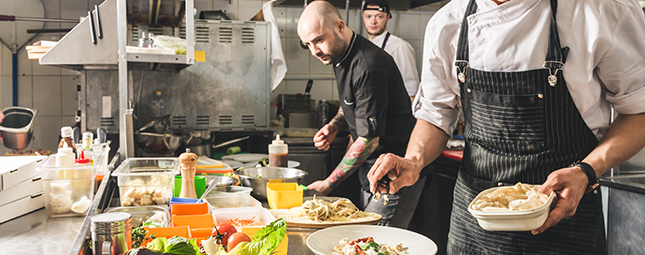
The impact of COVID-19 on the foodservice and hospitality industry is hitting fast and, at least for now, hard. During any time of uncertainty, it’s important to focus on what you can actually control. There are ways kitchens can increase efficiency during slow times--or anytime for that matter--and take greater control of the impact of that slow down on their bottom line.
Read More >>

The new year is a time when we reflect on lessons learned and set new goals with renewed energy and focus. These themes seem particularly relevant as we enter 2020 – the beginning of a decade of action for hitting the UN Sustainable Development Goals – and, specifically, for hitting Target 12.3, that audacious goal of cutting global food waste in half by 2030. A goal that, if achieved, will directly benefit many of the other 16 Sustainable Development Goals due to the central nature of food in our lives and the many linkages between f...
Read More >>
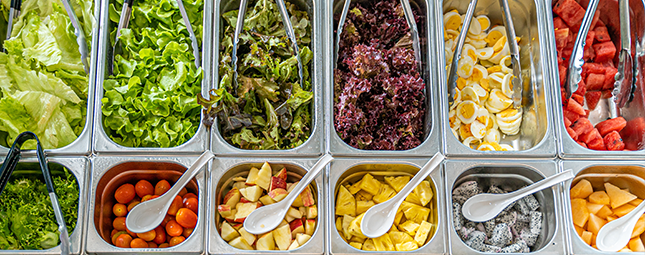
Salad bars are vital in high-volume operations. The salad bar concept allows the kitchen to feed a lot of guests with the least amount of labor cost. It gives guests the ability to customize their meals. It offers chefs a way to utilize and repurpose ingredients in a creative and efficient manner. There are many positives to salad bars, but standard displays and operating procedures can also lead to massive amounts of food waste.
Read More >>